 english
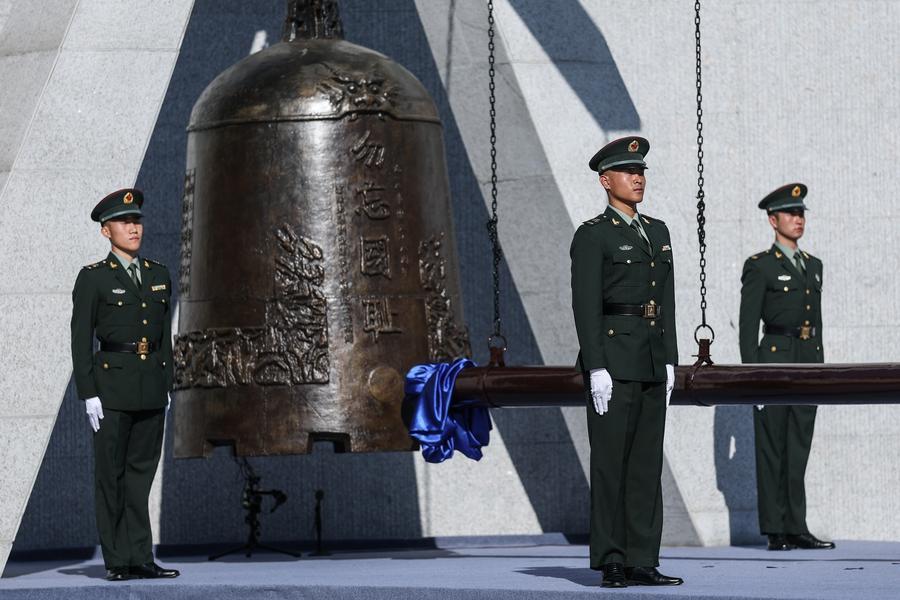
Xinhua Commentary: History warns against Japan's return to militarism
Ninety-five years ago, on Sept. 18, 1931, Japan launched an act of aggression in northeast China that marked the start of Japan's 14-year invasion of China, one of the darkest chapters in modern Chinese history.
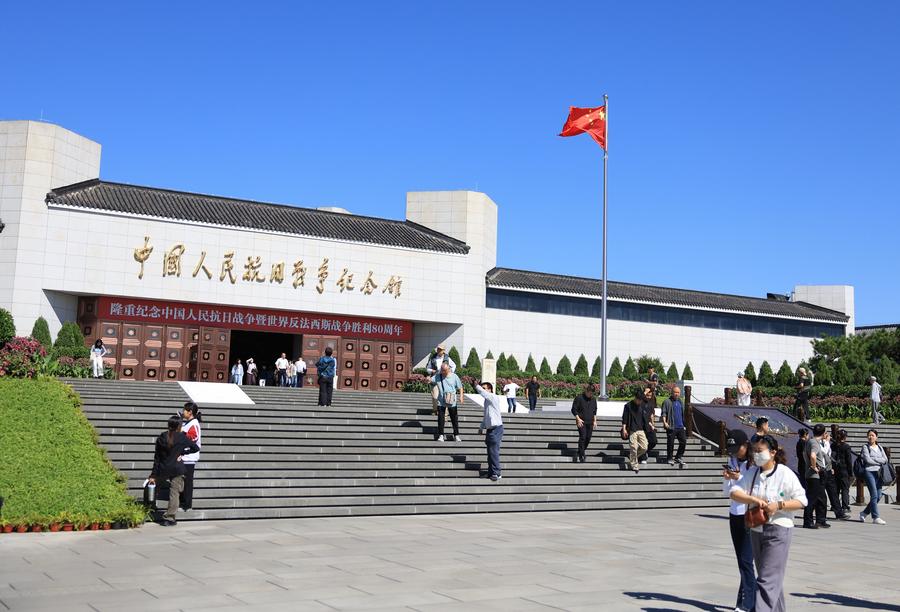
Themed activities held in China's capital to commemorate September 18 Incident
An event themed "For National Liberation and World Peace" was held Thursday at Beijing's Museum of the War of Chinese People's Resistance Against Japanese Aggression to commemorate the anniversary of the September 18 Incident that marked the start of Japan's 14-year invasion of China.
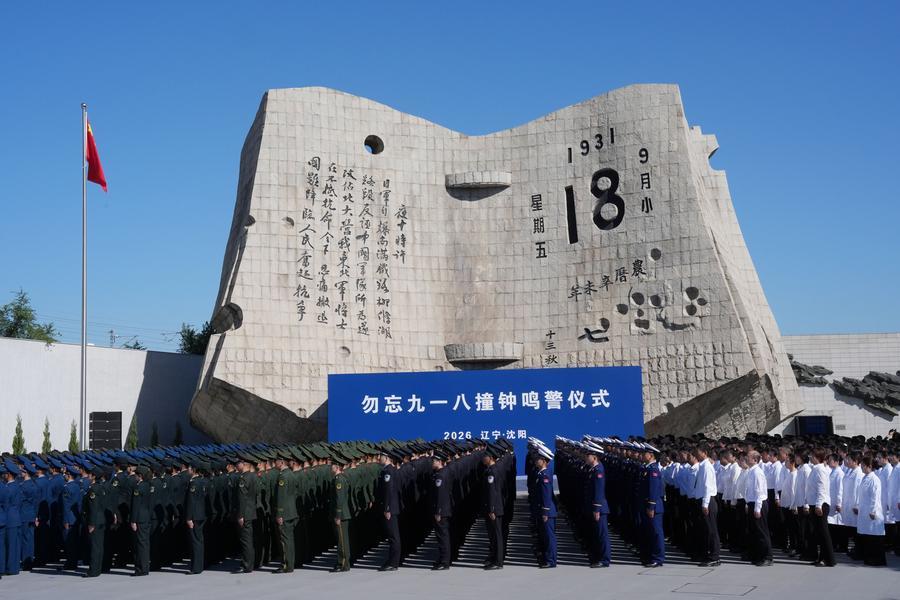
Bell tolls to commemorate start of war against Japanese aggression in Shenyang
A bell tolled at the square of the 9.18 Historical Museum in Shenyang on Friday to commemorate the 95th anniversary of the September 18 Incident, which marked the start of the Chinese People's War of Resistance against Japanese Aggression.
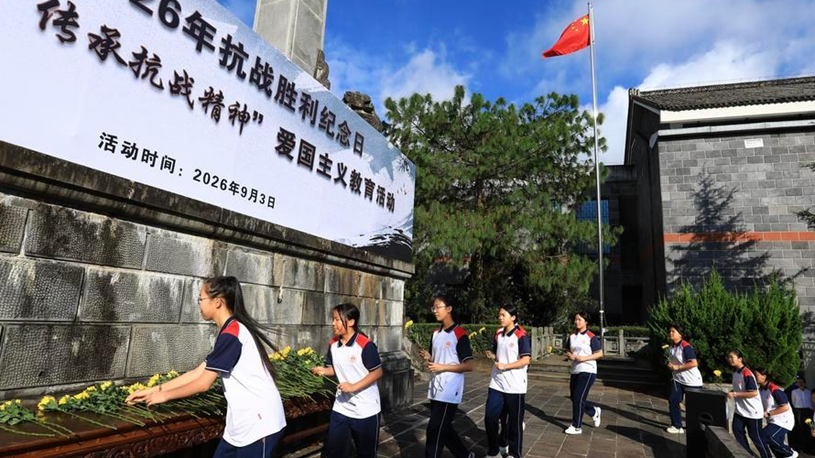
China commemorates 81st anniversary of victory against Japanese aggression
People across China held commemorative activities on Thursday to mark the 81st anniversary of the victory in the Chinese People's War of Resistance Against Japanese Aggression and the World Anti-Fascist War.
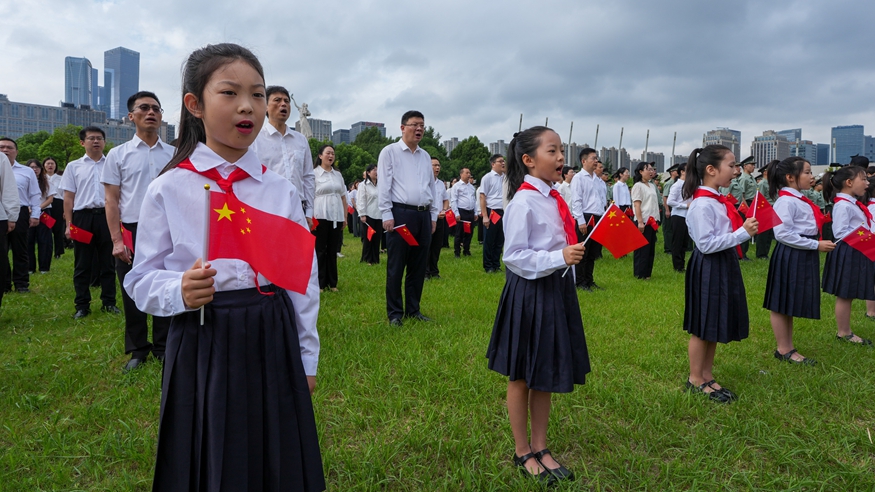
E China's Nanjing marks 81st anniversary of victory against Japanese aggression, fascism
A ceremony marking the 81st anniversary of the victory of the Chinese People's War of Resistance against Japanese Aggression and the World Anti-Fascist War was held at the Memorial Hall of the Victims in Nanjing Massacre by Japanese Invaders.
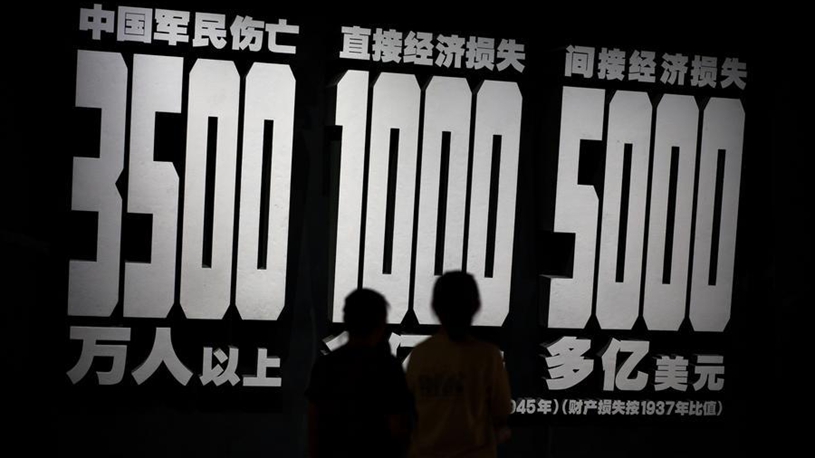
Haunting nightmares: how medical records become evidence of Japanese wartime atrocities in China
As Japan marks the 81st anniversary of its surrender in World War II, thousands of old military medical records preserved in Japan are offering rare documentary evidence of atrocities committed by Japanese soldiers during the war of aggression against China -- records that the Japanese military once ordered destroyed.
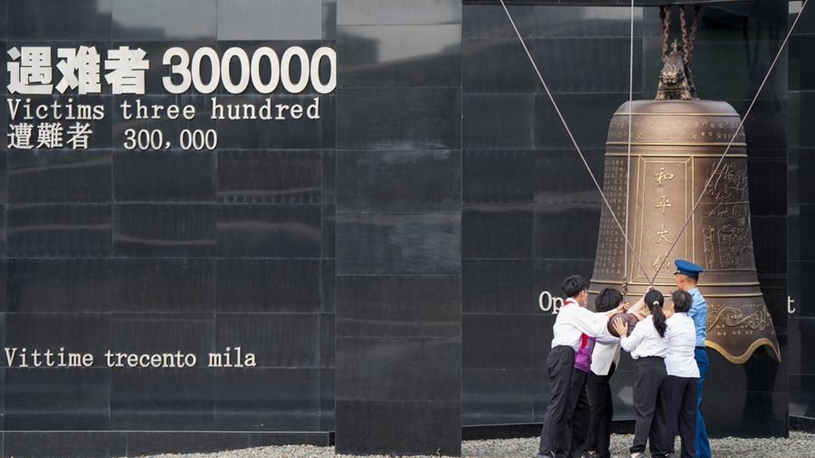
Fresh evidence exposes Japanese troops' wartime atrocities in China
China has received new pieces of evidence on the war crimes committed by invading Japanese troops during World War II (WWII), including letters written during the 1937 Nanjing Massacre and an oral testimony about the notorious biological warfare division Unit 731.
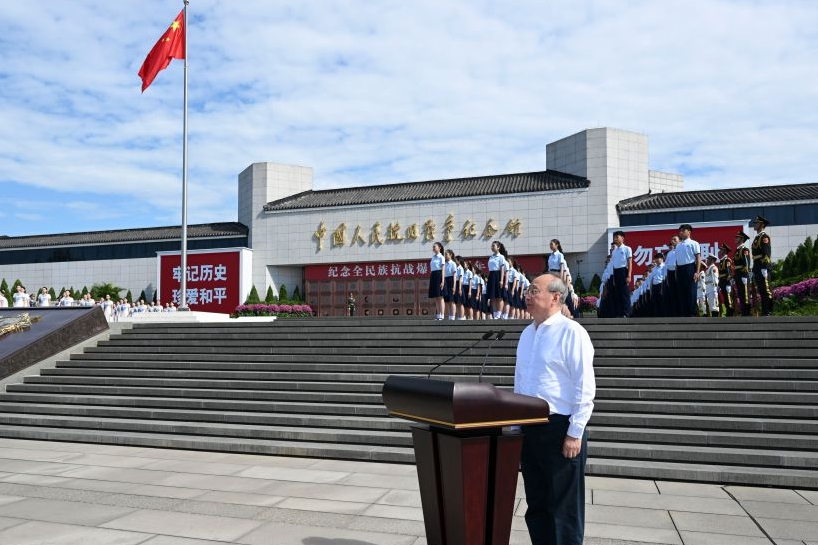
China marks 89th anniversary of resistance war against Japanese aggression
China marked the 89th anniversary of the start of whole-nation resistance against Japanese aggression Tuesday, with bells rung for peace and warnings sounded against Japan's gravitation toward neo-militarism.
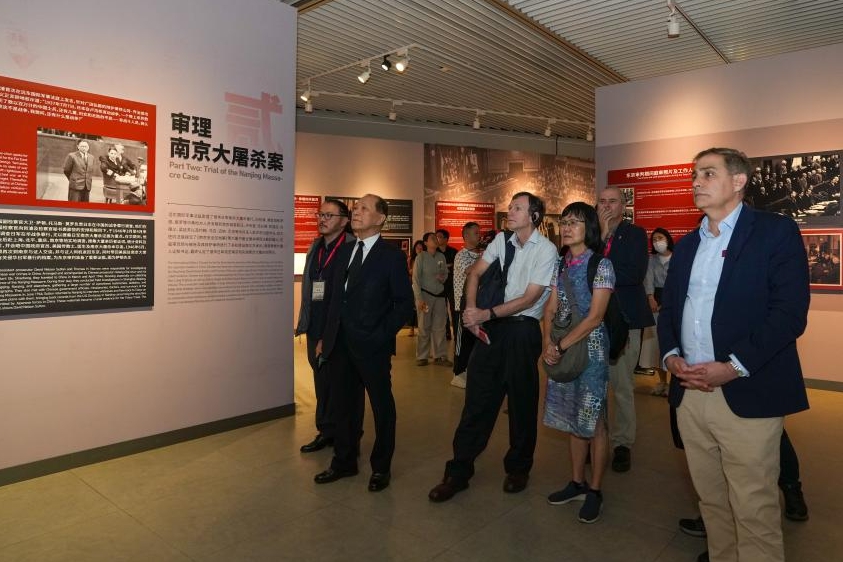
Scholars visit Memorial Hall of Victims in Nanjing Massacre by Japanese Invaders
Scholars from China and several other countries visit an exhibition on the Tokyo Trial at the Memorial Hall of the Victims in Nanjing Massacre by Japanese Invaders, in Nanjing, east China's Jiangsu Province.

Rare archives of Tokyo Trial prosecutor donated to Nanjing Massacre memorial hall
Eighteen rare archival items related to David Nelson Sutton, a U.S. assistant prosecutor at the Tokyo Trial and one of the earliest international prosecutors to investigate the Nanjing Massacre, were officially donated Wednesday to the Memorial Hall of the Victims in Nanjing Massacre by Japanese Invaders.
加载更多 »